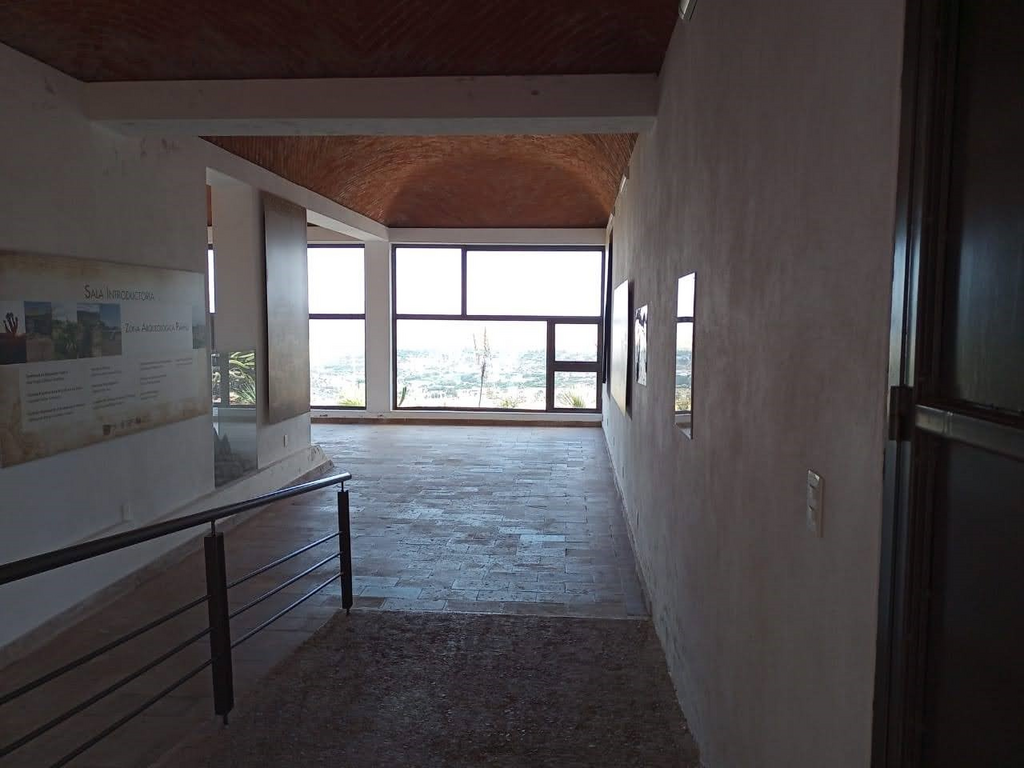







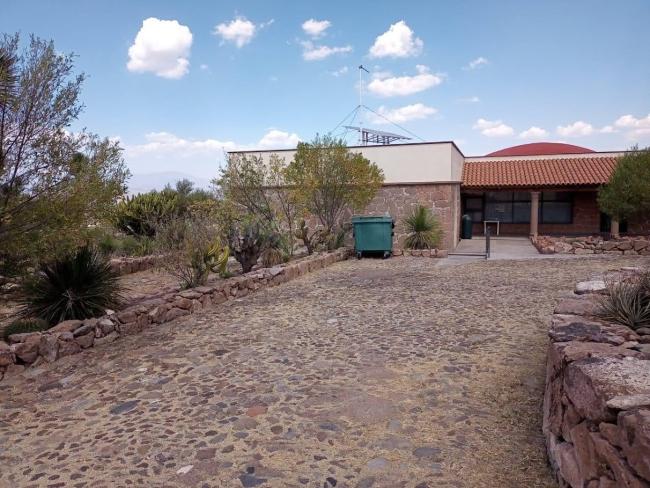

Sala Introductoria a la Zona Arqueológica de Pahñu
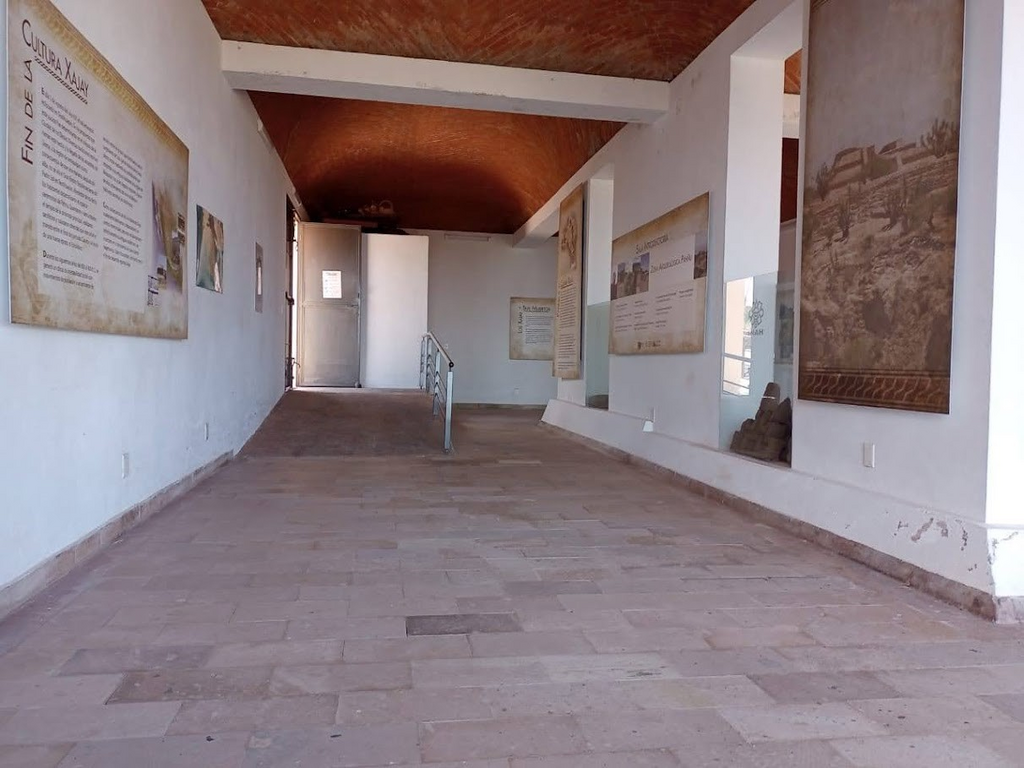
It presents the history of the Xajay culture, the evolution of the settlement, its architectural features, and the significance of the research conducted for its preservation.
It presents the culture of the Xajay, an indigenous group that inhabited much of what is now the state of Hidalgo and whose presence has been confirmed by numerous archaeological finds. The content describes their social organization, economic activities, construction methods, and the trade relationships they maintained with other Mesoamerican cultures. It also explains that Pahñú’s location allowed them to control trade routes between the Central Altiplano and other regions, fostering the settlement’s economic and political development.
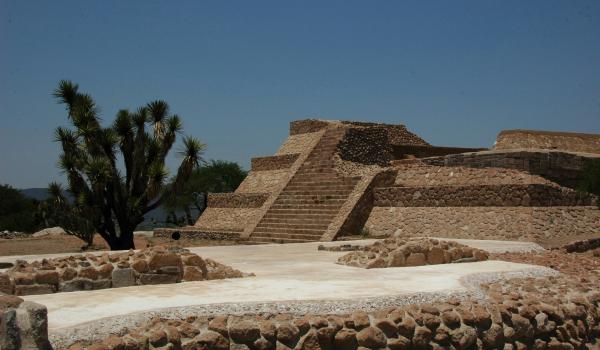
The gallery also explores the architecture of the archaeological site, highlighting the characteristics of its plazas, platforms, pyramidal bases, stairways, and ceremonial buildings. Through illustrations and digital reconstructions, it shows what these structures might have looked like during their heyday, helping visitors imagine the daily and ceremonial life of those who inhabited the site more than a thousand years ago.
Another important aspect is the explanation of archaeological research processes. The exhibition features photographs and descriptions of the excavations conducted by INAH specialists, illustrating the different stages of scientific work: survey, excavation, documentation, analysis, and conservation of the recovered materials. This information helps visitors understand that our knowledge of Pahñú is the result of years of interdisciplinary research and the application of scientific methods aimed at preserving cultural heritage.
The exhibition also includes information on various objects recovered during the excavations, including pottery shards, stone tools, household utensils, and items related to ritual activities. Each of these artifacts provides insight into the diet, religious practices, technology, and social organization of the ancient inhabitants. Through these remains, it is possible to reconstruct aspects of daily life and understand the complexity of the society that occupied the site.
A recurring theme throughout the tour is the importance of preserving archaeological heritage. The informational panels explain the threats facing historic sites, such as looting, unplanned urban growth, natural erosion, and deterioration caused by human activities. In this regard, the exhibition promotes an attitude of respect and responsibility toward cultural heritage, reminding visitors that its preservation depends both on the work of specialized institutions and on the conscious participation of society.
- Dirección del Centro INAHManuel Villarruel Vázquezmanuel_villarruel@inah.gob.mx+52 (771) 714 3989